Have you ever wondered why some people learn English quickly while others struggle for years? The secret isn’t about being smart or talented. Most English learners make the same mistakes over and over again without knowing it. These mistakes slow down their progress and make learning harder than it should be. But here’s the good news: once you know what these mistakes are, you can avoid them and learn English much faster.
Mistake #1: Focusing Only on Grammar Rules
Many English learners think they need to memorize every grammar rule before they can speak. This is like trying to learn how to swim by only reading books about swimming. Grammar is important, but it’s not everything.
Native English speakers don’t think about grammar rules when they talk. They learned by listening and speaking first. You should do the same. Start speaking English even if you make mistakes. Your brain will naturally pick up grammar patterns as you use the language more.
Instead of spending hours studying grammar books, try this: learn one simple grammar rule, then practice using it in real conversations or writing. This way, you learn grammar and how to use it at the same time.
Mistake #2: Being Afraid to Make Mistakes
Fear of making mistakes is the biggest enemy of English learners. When you’re scared to speak, you don’t practice. When you don’t practice, you don’t improve. It’s that simple.
Think about when you learned to ride a bike. You probably fell down many times before you could ride without help. Learning English is the same. Mistakes are not failures – they’re steps toward success.
Every mistake teaches you something new. When you say something wrong and someone corrects you, your brain remembers it better than if you just read it in a book. So make mistakes proudly! They’re proof that you’re trying and learning.
Mistake #3: Trying to Translate Everything
Many students try to translate every English word or sentence into their native language. This makes speaking and understanding very slow and difficult. Your brain gets tired from all the translating, and you miss the natural flow of English.
English has its own way of expressing ideas. Some English expressions don’t exist in other languages, and some ideas that are simple in your language might need many words in English. When you translate word by word, you often create confusing sentences that don’t sound natural.
Start thinking in English instead. Begin with simple thoughts like “I am hungry” or “It’s a nice day.” As you get better, your English thoughts will become more complex. This takes time, but it’s the only way to become fluent.
Mistake #4: Studying Alone All the Time
Learning English by yourself is like playing tennis against a wall. You can practice your moves, but you never learn how to play a real game. English is a language for communication, which means you need other people to practice with.
Many shy students prefer studying alone because it feels safe. But speaking with other people teaches you things that books cannot. You learn how to have real conversations, how to ask for help when you don’t understand, and how to express your ideas clearly.
Find someone to practice with. It could be a friend who’s also learning English, a native speaker, or even someone online. The important thing is to use English with real people, not just with your textbook.
Mistake #5: Ignoring Listening and Speaking Practice
Some students spend all their time reading and writing but never practice listening or speaking. This creates a big problem: they can understand written English but can’t understand people talking or express their own ideas out loud.
English sounds different when people speak it. Words connect together, some sounds disappear, and people speak at different speeds. You can’t learn these things by only reading. Your mouth and ears need practice too.
Listen to English every day, even if it’s just for 10 minutes. Watch English videos, listen to English songs, or find English podcasts about topics you enjoy. Start with simple content and gradually try more difficult material.
Practice speaking every day too. Talk to yourself in English about your day, your plans, or your opinions about things. It might feel silly at first, but it really helps your mouth get used to making English sounds.
Mistake #6: Trying to Learn Everything at Once
Some enthusiastic students try to learn advanced vocabulary, complex grammar, and perfect pronunciation all at the same time. This is too much for your brain to handle. When you try to learn everything at once, you usually end up learning nothing well.
Learning a language is like building a house. You need a strong foundation before you can add the roof. In English, your foundation includes basic vocabulary, simple grammar, and clear pronunciation of common sounds.
Focus on one thing at a time. Spend a few weeks learning basic vocabulary for daily life. Then add some simple grammar patterns. After that, work on pronunciation. This step-by-step approach is slower at first, but it creates solid learning that lasts.
Your English Learning Journey Starts Now
Remember, everyone makes mistakes when learning English. The difference between successful learners and others is that successful learners recognize their mistakes and fix them. Now that you know these seven common mistakes, you can avoid them and learn English more effectively.
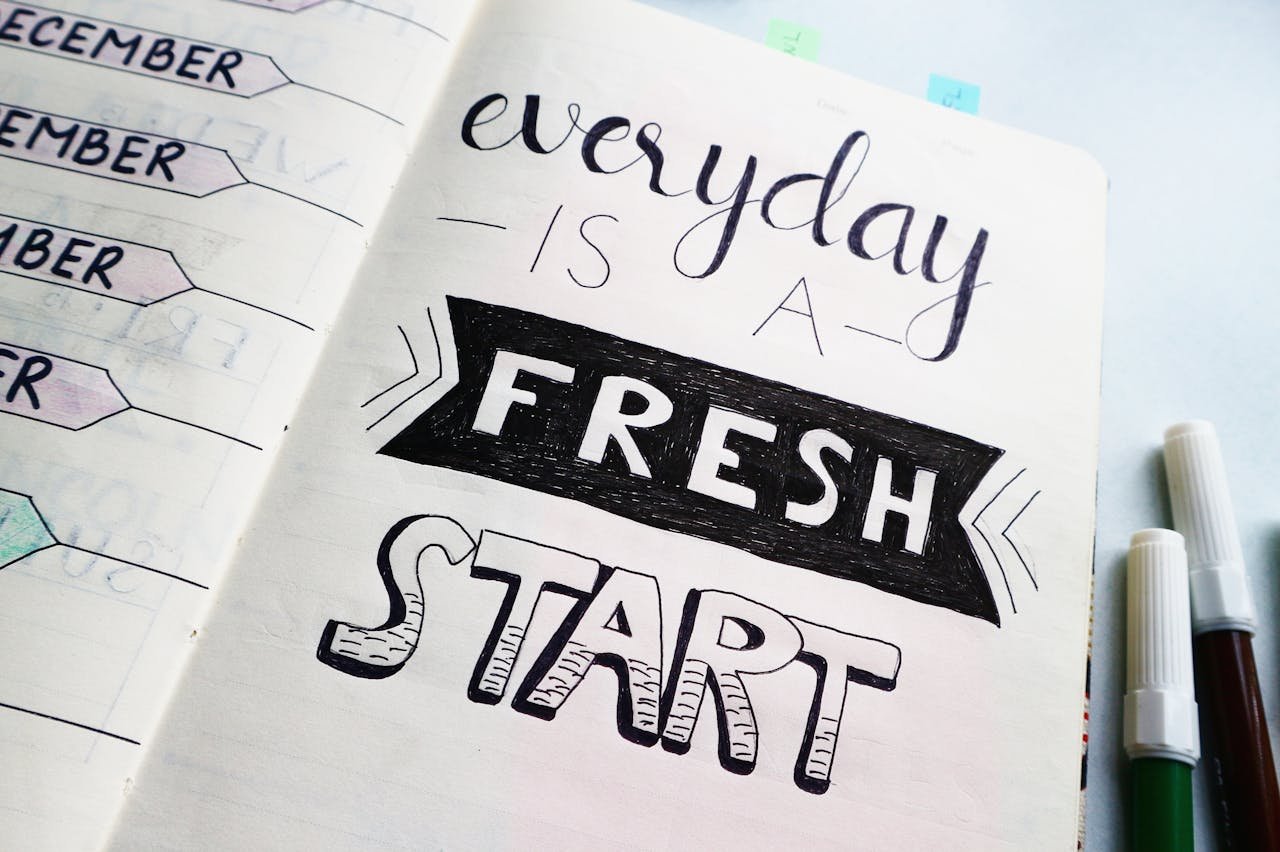
The most important thing is to start. Don’t wait until you feel ready or until you have the perfect study plan. Begin today, make mistakes, learn from them, and keep going. Your future English-speaking self will thank you for starting now.